
This was previously published in our December 2025 issue.
Airplanes, restaurants, and doctors’ offices are just a few places where a child’s impatient cries seem almost inevitable. After about 30 seconds of shushing, bouncing, and bribing, many parents hand over an iPad or tablet to keep the peace. Once the so-called “situation” is handled to their liking, the parent immediately goes back to endlessly scrolling on their own device.
At home, the TV remote becomes the quickest solution when parents feel overwhelmed — so why wouldn’t they reach for a portable screen too? Over time, though, TV and tablets no longer satisfy children and smartphones become the next go-to distraction. But what does this constant exposure to screens really mean for families?
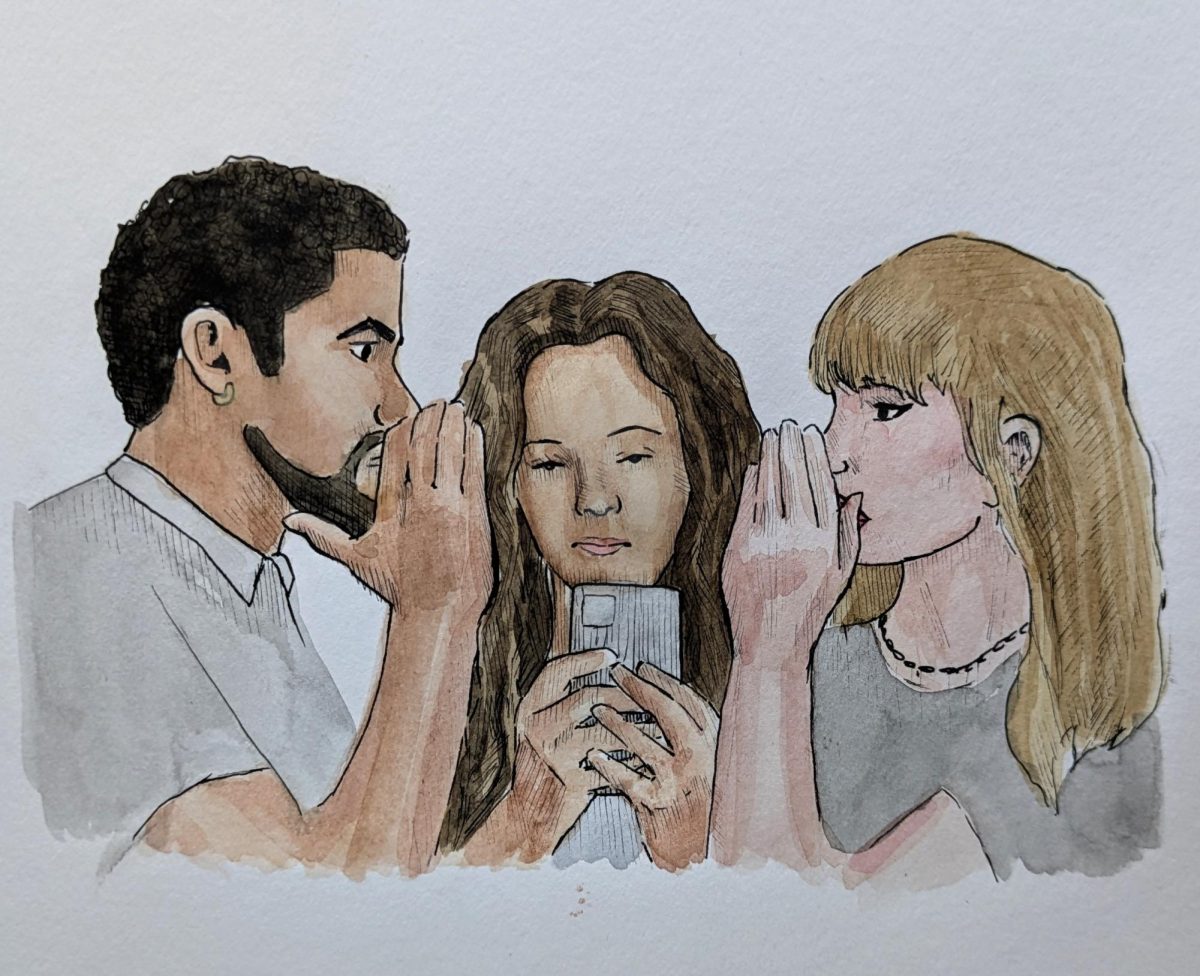
Parents typically create rules to protect kids from exactly this. Parents may create cutoffs at bedtime, limited access to social media, and a no device rule at dinner. Yet the irony of all of this is hard to ignore: the adults enforcing these rules often don’t follow them. Kids see the hypocrisy but can’t comprehend it just yet. They’re told to get off their screens while the grown-ups scroll through emails, online shopping, or social media without interruptions.
This matters to the children of today because kids learn from what they observe rather than what they’re told. When adults model endless scrolling, kids naturally imitate it on their own devices. The result is a breakdown in trust — why should kids take rules seriously if the people enforcing them don’t? And beyond trust, the effects appear in behavior.
Many adults worry that devices are draining creativity in younger generations, but the problem may not be kids alone. The habits they see from the adults around them shape how they think, play, and interact with others their age.
Technology plays a different role at every age. For kids, screens often mean YouTube videos, games, and tablets—so common that 85 percent of parents say their children use YouTube, with 51 percent reporting daily use.
Teens rely on technology to socialize with friends, keep up with schoolwork, and communicate, but this also opens the door to issues like cyberbullying and social pressures.
Adults, however, are often left out of the conversation. 95 percent of U.S. adults use the internet, 90 percent own smartphones, and many juggle multiple devices for work. Adults may criticize kids’ dependence on screens, but their own habits aren’t much different — sometimes they’re even more intense.
This uneven use affects families in ways that aren’t always obvious. Excessive adult screen time reduces quality time and interrupts conversations. When parents are distracted, bonding moments slip away, and kids may turn to their own devices for attention or escape. The reality is that many adults depend on screens for work, communication, or managing their households, but that doesn’t erase the lack of awareness around how much time they actually spend on devices.
So, what’s the solution? One option is to create family-wide screen rules — not just rules for kids. Device-free meals, phone-free bedrooms, or shared quiet hours can help establish boundaries for everyone.
Parents can also track their own screen time to better understand their habits. Setting aside intentional time without technology can help families reconnect in simple ways like board games, walks, or shared hobbies. And most importantly, parents can teach kids how to use technology responsibly by showing — not just telling — what balance looks like.
If adults want the next generation to grow into thoughtful, creative, tech-literate people, the change has to start now and with them. Screen-time rules shouldn’t be a one-way street. It should be a shared effort, modeled by the very people who expect kids to follow them: adults.