
The first time someone told me my lunch smelled weird, I smiled and halfheartedly laughed along with them. On my last trip to India, my relatives laughed and said I was “too American,” which I halfheartedly laughed at too. Somewhere in between feeling lost and trying to belong, I stopped knowing which version of me was real.
I grew up as a first-generation South Asian in America, speaking Tamil, a language spoken in South India that not many people know. At home, it was the only language that actually mattered. Outside, it felt like something I had to explain or hide.
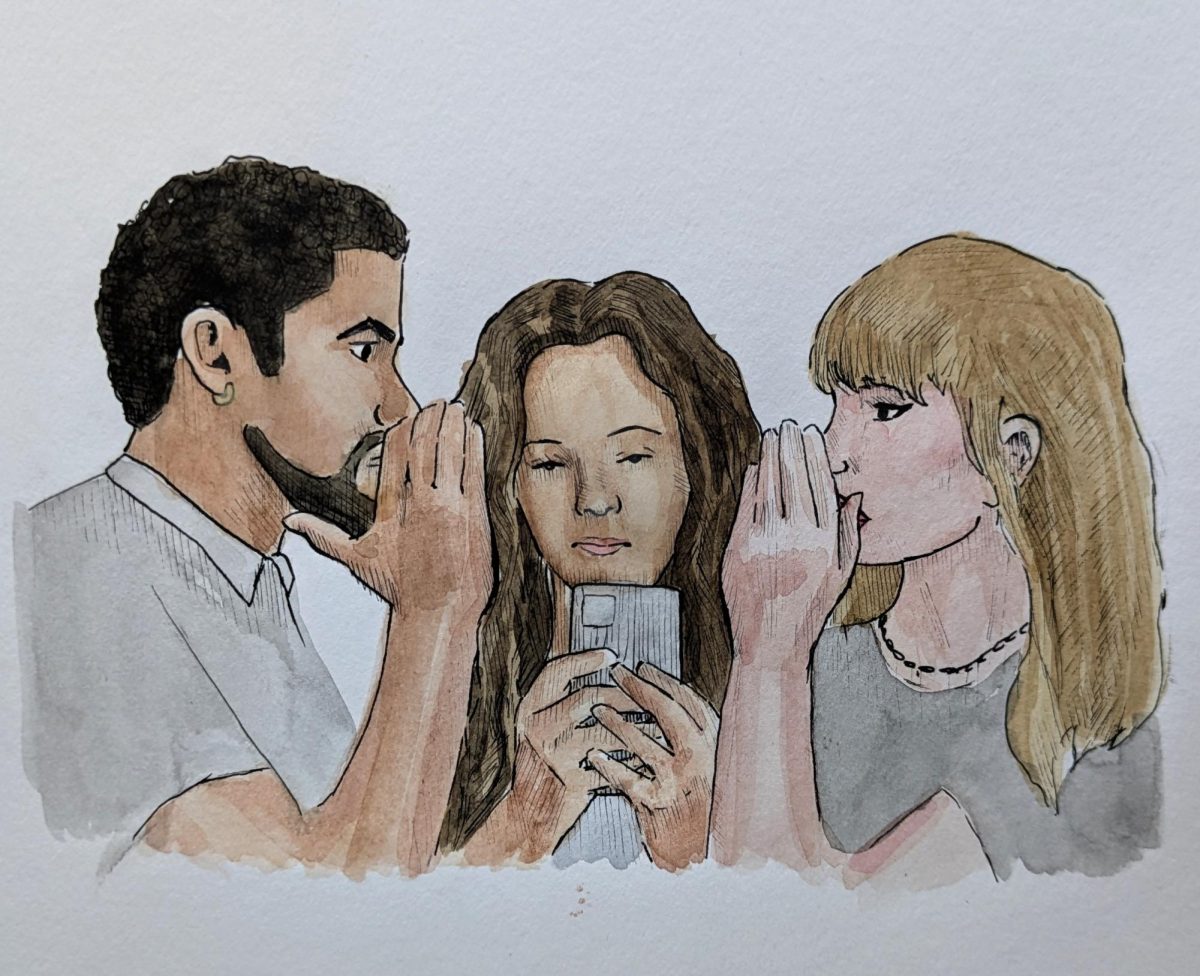
Growing up, my family oftentimes mocked my “white-washed Tamil.” I would brush it off most times, but I think it affected me more than I let on. It was easy to feel discouraged when people told me, “Your pronunciation is terrible,” or “You have a weird accent.”
But what people didn’t see was my Tamil conversations in my head before saying them out loud. Packing more “normal lunches” for school, and pretending not to understand Tamil just to avoid being laughed at.
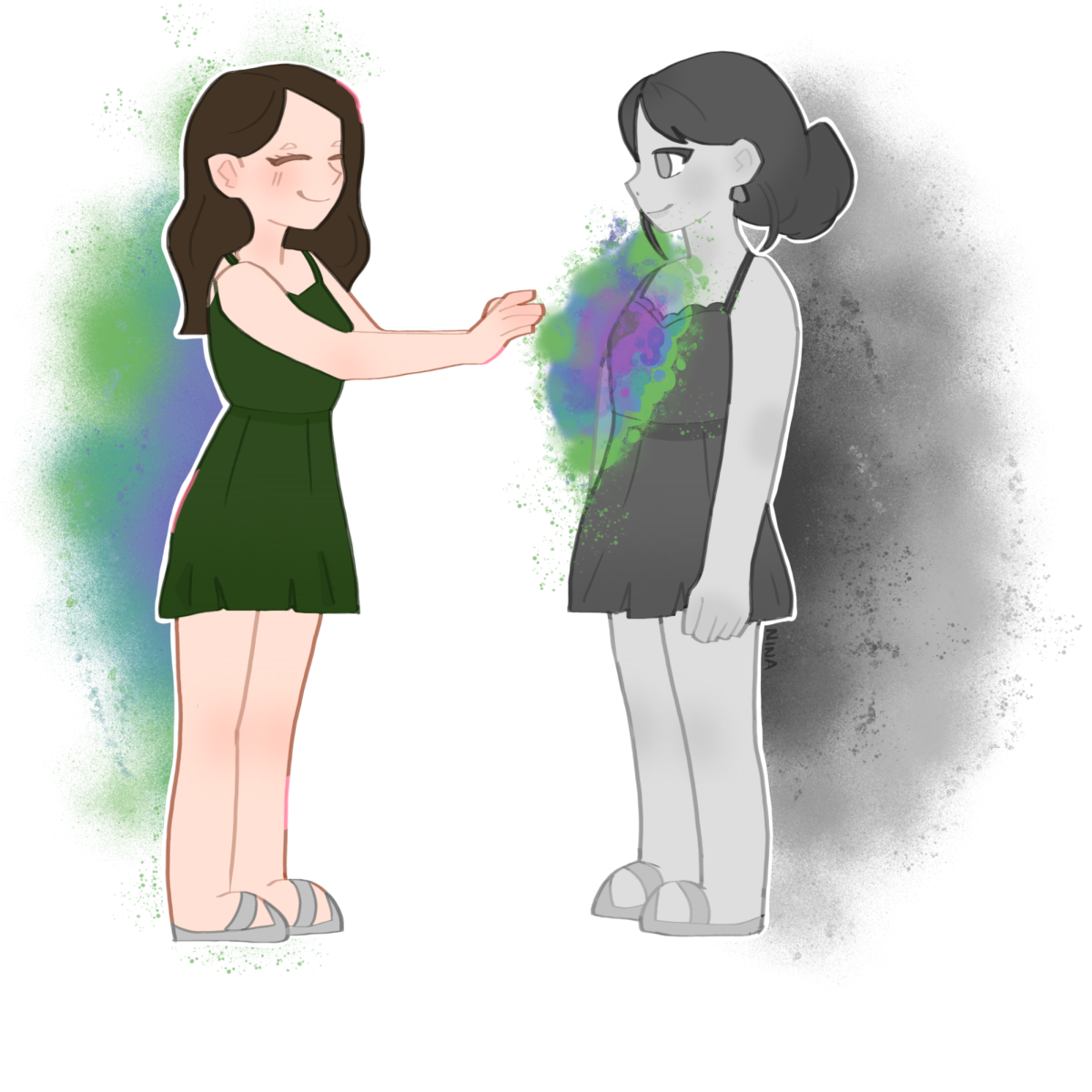
It’s called being ABCD—American-Born Confused Desi. The name sounds like a joke. Sometimes it feels like one too. It’s growing up in the middle of two cultures, and not being able to completely identify with either. Too Indian to be American. Too American to be Indian. Like constantly swinging in between two sides and never landing quite anywhere in between.
With my American friends, I found myself always explaining why I couldn’t go out and why “no” wasn’t always negotiable in my house. With Indian friends, certain things didn’t need to come with an explanation. They already understood.
Another struggle I grew up with was the quiet pressure of expectations. I tend to joke a lot with my friends about coming from an “Asian household.” Normally, I joke about being a disappointment or being disowned, and while it is all in jokes, part of it does stem from the fear I have of letting my family down.
By the age of five, my mom had already told relatives, “Kritha is going to be a doctor.” At that age, I was still set on being a cashier at Walgreens.
Years later, when I say I want to go into the medical field, it sounds stereotypical to others. But it isn’t just expectations now — it’s something I’ve grown into on my own terms.
There wasn’t just one moment where everything clicked for me. It was much smaller than that. Hearing Tamil spoken in a store and realizing that I didn’t have to translate in my head. Laughing with my American friends, and not being worried about coming off weird or different.
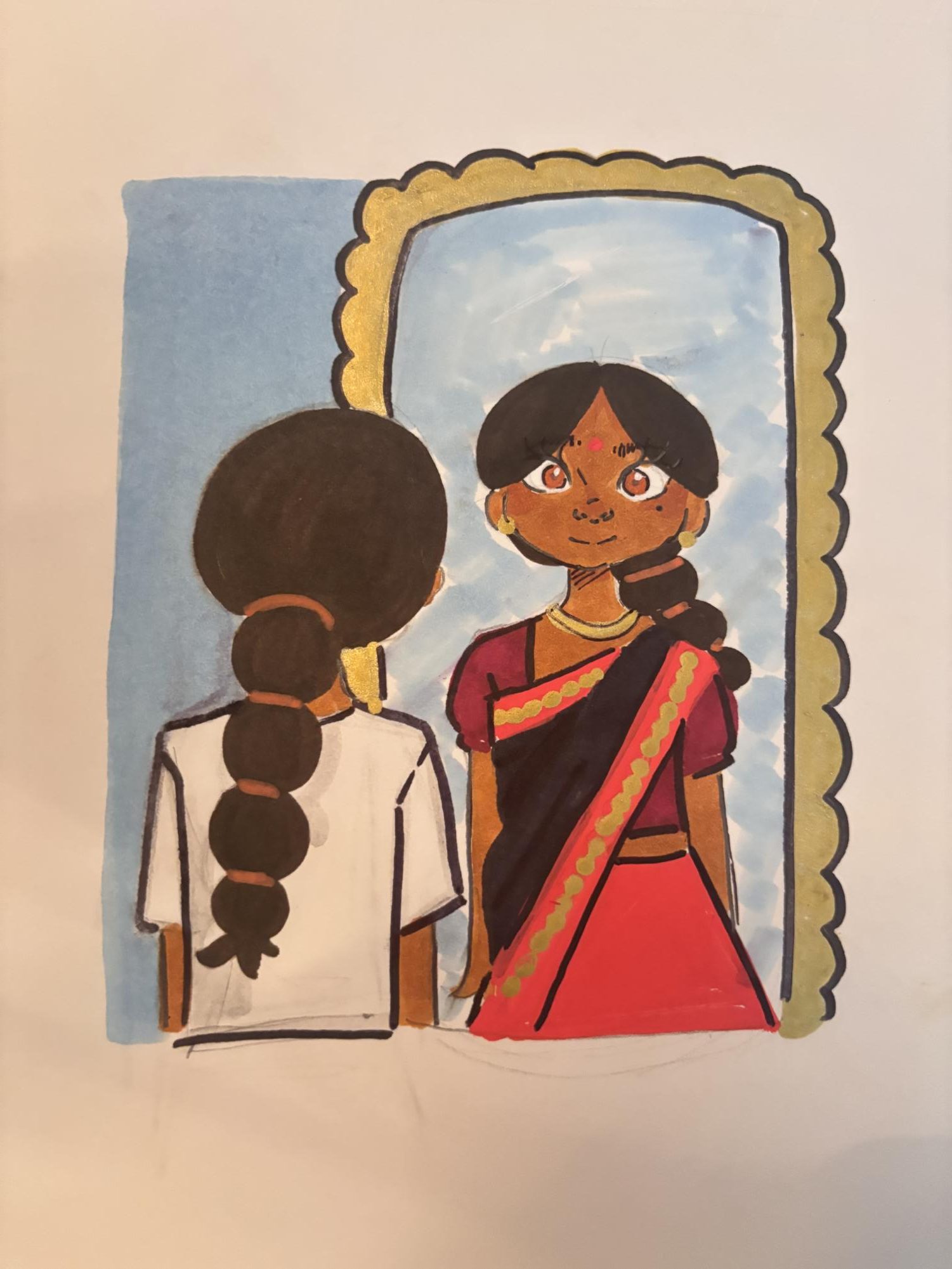
I stopped switching versions of myself according to who I was talking to. The lines between “home me” and “outside me” didn’t completely disappear, but instead blurred to feel more like a coexistence of both sides. I stopped feeling like these were two conflicting versions of myself and viewed it more as two parts of one complex identity.
Maybe being an ABCD doesn’t always mean being confused. Maybe it’s learning to exist in two worlds — and eventually, building one of your own.