

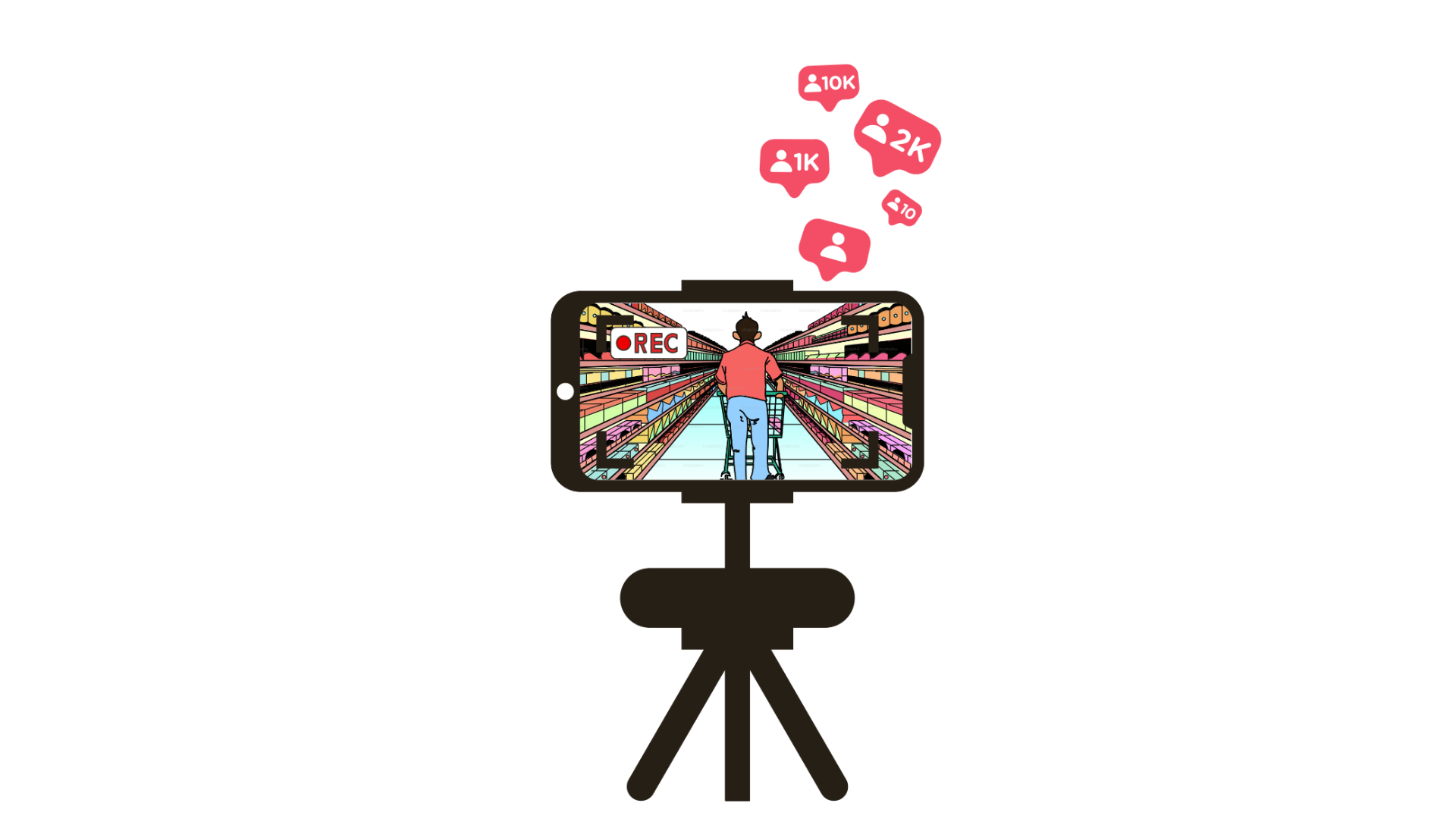
A phone is pulled out of a pocket, already recording by the time the subject is in frame. A block of text stands out against a blank screen, airing an ex-friend’s past to millions of people. A pair of shaky hands wrapped around a screen, unable to do anything as private information is spread across the entire internet. Online, one person’s business is every person’s business — and we’re all at the mercy of anyone who should decide to share it.
In the modern age, anyone and everyone can be recorded — and in the state of Pennsylvania, this is mostly legal. As long as no private conversations are being taped and the filmer is on public property, a person is within their rights to film whatever they want. However, just because it’s legal doesn’t mean it’s right.
I open TikTok and am bombarded with recordings of people living their lives, seemingly unaware that they were being taped as they went on with their day. Did they notice the camera peeking out from behind a stranger’s hands? Did they open the app later to find their own face plastered on their screen, being mocked or applauded or reprimanded?
Even seemingly harmless videos can have negative effects. I recall seeing a video of an old man eating alone at a restaurant with the caption “I feel so bad for him, he looks so lonely.” While the video was likely well-intentioned, the comments contained the man’s full name and address as people encouraged others to “go keep him company,” despite the man not asking for any such attention. I still don’t know what happened — I can only hope people had the sense to not actually show up to his house uninvited.
Recordings aren’t the only things spread across the internet — words spread just as fast. I can’t count how many times I’ve started reading a post about other people and their lives and wondered why the original poster thought it was a good idea to share information that didn’t pertain to them.
Maybe the poster thought people from their real lives would see it? Why not just tell people privately? What’s the point of posting it to the internet?
Perhaps they were hoping others would hear their story and come to their defense. I certainly don’t care about Penelope’s messy breakup — but others might care too much. Strangers online can become far too invested in other people’s issues, and it can lead to cyberbullying, harassment, and doxxing.
Doxxing, or the act of sharing private identifying information online, has become all too common on the internet, and people can be subjected to it based on the smallest offense. Just the other day, I stumbled upon someone posting an individual’s address because the individual was “being an opp.”
This is a dangerous practice that could ruin lives and threaten safety. People have died due to their addresses being leaked online, yet people continue to do it as if it is just another way to get back at an enemy, or even worse, as if it is just a practical joke.
The violation of personal boundaries online is not just upsetting, it is downright dangerous and an affront to people’s privacy. A little part of me is always worried I’m going to open TikTok to see a video of myself, captioned with a malicious comment about how whatever I’m doing is weird or stupid. It’s not even a baseless worry — I know people close to me who have had this happen to them.
It’s not fair that we have to live our lives worried someone might be secretly filming us at any moment. Whether it be filming or information leaking, the privacy breaching epidemic must be stopped, before any more lives are ruined by the callousness of strangers online.