This was previously published in our December 2025 issue.
The word “food” can mean many things to people. To some it’s just something you eat, while it can hold memories of family and culture to others. However, food can also be daunting to some. Learning to maintain a healthy relationship between food can be extremely hard for some, especially for athletes.
When considering an athlete’s diet, a focus is placed on protein and carbs. Chicken, beef, and eggs are major sources of protein, while pasta, bread, and even rice can give athletes the carbs they need. But what if an athlete wants to limit the amount of meat they eat?
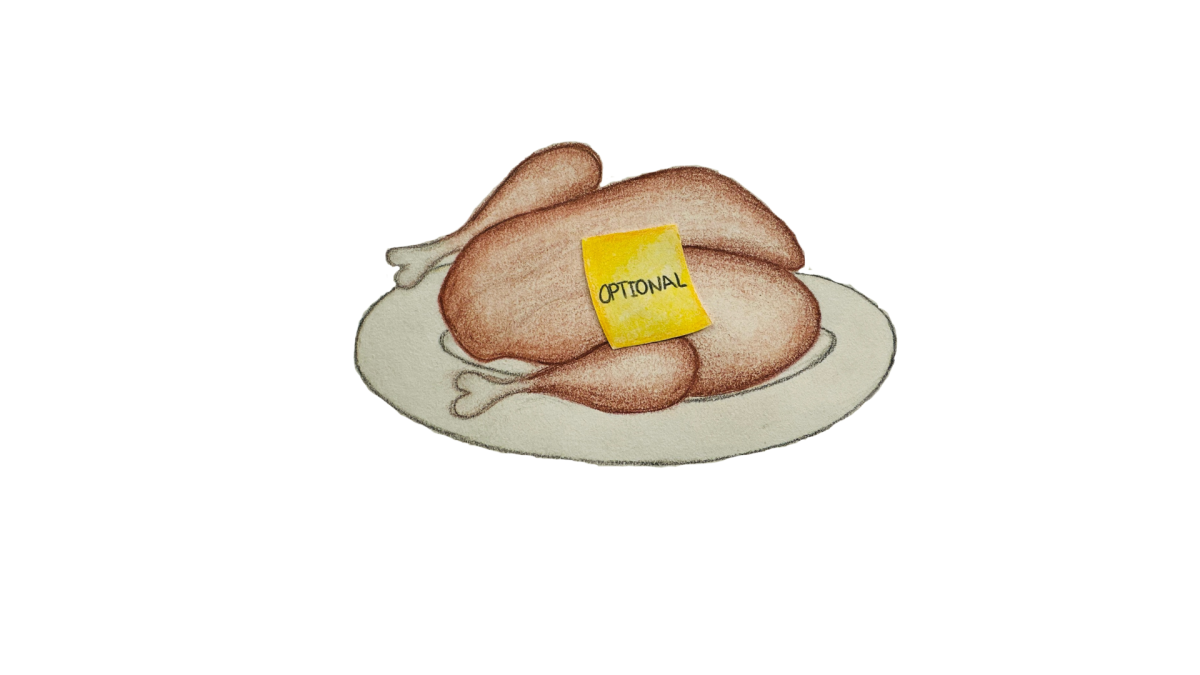
When a person decides to reduce the amount they eat, their ability to maintain the change can be tested during the first few months. It can be a harsh jump for some, especially if they’ve eaten meat and animal products growing up. However, once that hard period is over, the rest comes more easily. So how can athletes who are interested in reducing meat adapt a healthy diet that meets their caloric and nutritional requirements for themselves?
Here’s the thing: a person doesn’t need to completely drop meat all at once. It can be tough to get all the protein one needs when they don’t know where to start. Starting off as a flexitarian or pescatarian can be great options.
Flexitarians and pescatarians follow traditional vegetarian diets in the sense of getting most of their proteins from vegetables and legumes. They still get their protein and carbs while enjoying their favorite fruits.
Where they differ is in the meat they still eat. While flexitarians still eat any type of meat, they eat it in moderation. Pescatarians, however, eliminate all meat except for fish and seafood. Both diets are great for athletes who are interested in “going veggie” but want to start at a minimal level.
If an athlete wants to go straight to a vegetarian or even vegan diet, protein is one of the most important factors. While being a flexitarian or pescatarian allows for some wiggle room with protein, vegetables and legumes are their best option for protein. Vegetables like peas, brussel sprouts, and edamame are high in protein, while legumes such as chickpeas and soybeans are also great sources of protein.
If those don’t sound appetizing, they don’t need to be eaten alone. Salted edamame dipped in a ranch and wasabi dip is a delicious snack. Savory hummus is made from chickpeas and is often eaten with warm pita. Soybeans are the primary ingredient in many fake meat substitutes leading to a tasty faux burger.
All in all, one doesn’t need to completely give up meat if they don’t want to, but there are options if one is interested in dropping meat slowly.
With the internet at one’s fingertips, finding meal plans for a specific diet are a lot easier. YouTuber Lori Hernandez, a professional ballerina who doesn’t eat meat, often shares great ways to get lots of protein throughout the day.
Food and food management doesn’t have to be daunting to anyone. Learning how to balance food and life young is a great skill. If one decides they don’t want to eat meat anymore, they are welcome to try a new food lifestyle, but that lifestyle needn’t be abandoned due to athletics. If an athlete wants to try a new meatless diet, so be it. There is more than one way to get protein.